CLIMBING MOUNT KILIMANJARO

CLIMBING MOUNT KILIMANJARO

The best time climbing Mount Kilimanjaro are during the mountain’s dry seasons when the weather conditions are more favorable for trekking. The main dry seasons are typically from late December to early March and from June to October. These periods offer clearer skies, less rainfall, and better visibility, enhancing the overall climbing experience.

During the dry seasons, the chances of climbing Mount Kilimanjaro is encountered by rain and snow are lower, and the trails are generally drier and more manageable. Also, the temperatures are more moderate, making the ascent more comfortable compared to the wetter and colder seasons.

However, it’s important to note that Kilimanjaro is climbable year-round. Some people also choose climbing Mount Kilimanjaro during the shoulder seasons (March to May and November to mid-December). While these periods may have some rainfall, they tend to be less crowded on the mountain, and the landscapes are lush and beautiful due to the precipitation.

Climbing Mount Kilimanjaro

KILIMANJARO ROUTES

Climb Kilimanjaro in January and February to early March.

The best time Climbing Kilimanjaro is during January to early March is generally considered an excellent time due to the favorable weather conditions. This period falls within one of Kilimanjaro’s dry seasons, offering climbers clearer skies, lower precipitation, and more stable weather, enhancing the overall climbing experience.

Here’s what you can expect during this time frame:

  1. Weather: January to early March usually experiences less rainfall, providing clearer visibility and more predictable weather patterns. However, as you ascend, temperatures drop significantly, especially at night and at higher elevations.
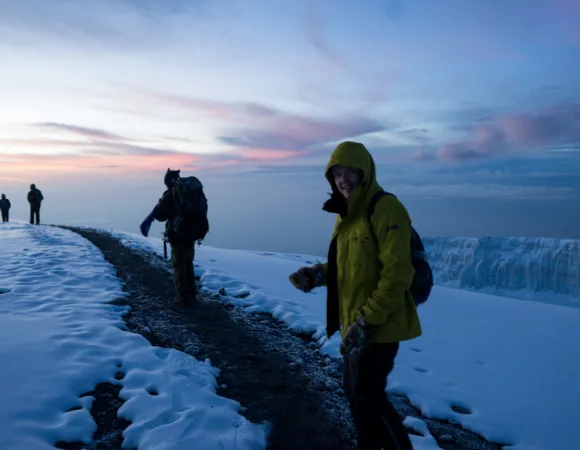
  2. Temperature: At the base, temperatures might range from 25-30°C (77-86°F). As you climb higher, expect a significant drop in temperature, potentially reaching below freezing at night and at the summit. Adequate cold-weather gear is crucial.
  3. Crowds: This period can be relatively popular for climbing Kilimanjaro due to the favorable weather, so expect moderate to high numbers of climbers, especially on the more common routes.
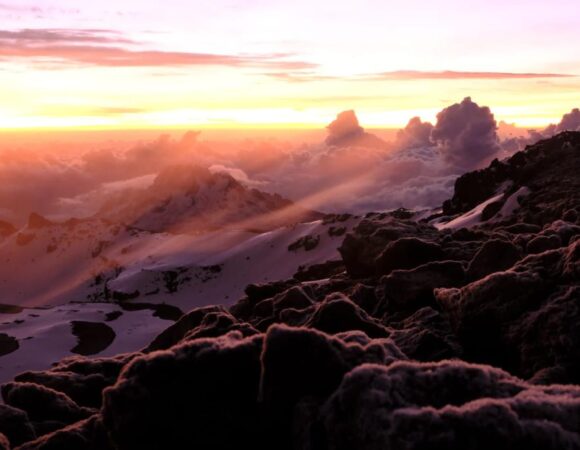
  4. Scenery: The landscape is often stunning during this time, with clearer views and potentially snow-capped peaks, especially at the higher elevations.

Best for: Hikers who want to minimize crowds, whilst still havi

Climb Kilimanjaro in March, April and May

The best time Climbing Kilimanjaro is during early March can be lovely, but as the month progresses, the rains can start to set in, making for muddy trails, cloudy skies, and poor visibility. In late March and late May, you can get lucky with some dry weather, but it’s a bit hit or miss.

  1. Weather: This period experiences higher rainfall, especially in the lower elevations and rainforest zones. Trails can be muddy and slippery, and there might be more challenges due to wet conditions.
  2. Temperature: Although temperatures might be milder at lower altitudes, the rainfall can make conditions feel colder and potentially uncomfortable, especially at higher elevations. Nights can still be cold, but not as severe as during the dry seasons.
  3. Crowds: March, April, and May are generally less popular months for climbing Kilimanjaro due to the wetter conditions. This might mean fewer climbers on the trails, offering a quieter experience.
  4. Scenery: The mountain tends to be lush and green during these months due to the rainfall, offering a beautiful, vibrant landscape. However, the cloud cover might limit some of the scenic views.

Best for: Experienced trekkers who want to avoid crowds, and who don’t mind unpredictable weather. We recommend the routes on the north side of the mountain.

Climb Kilimanjaro in June/ July/ August and September

The best time Climbing Kilimanjaro is during June, July, August, and September is best recommended since they are most Kilimanjaro’s dry seasons and are considered prime months for climbing the mountain due to favorable weather conditions. Here’s what you can expect during this period:

  1. Weather: These months generally have lower precipitation, offering clearer skies and better visibility. The weather tends to be more stable, providing ideal climbing conditions.
  2. Temperature: Days are usually clear and relatively warm, especially at the base of the mountain. However, temperatures drop as you ascend, and it can get significantly colder at night and at higher elevations. Adequate cold-weather gear is essential.
  3. Crowds: June to September is a popular time for climbing Kilimanjaro due to the favorable weather. Expect more climbers on the mountain, especially on the more popular routes like the Machame and Marangu routes.
  4. Scenery: The landscape is often stunning during these months, with clear views and potentially snow-capped peaks at higher elevations. The drier conditions can make for excellent visibility and photography opportunities.

Best for: Climbers wanting the best weather for their trip, who aren’t deterred by crowd

Climb Kilimanjaro in October / November

The best time Climbing Kilimanjaro is during October and November can be a mixed experience due to the transition from the dry season to the short rainy season. Short rains usually come in November and last for 3-4 weeks. Here are some things to consider:

  1. Weather: October usually marks the end of the dry season, but it’s a transitional period. The weather can still be favorable, with relatively lower rainfall and clearer skies early in October. However, as the month progresses into November, the chances of rainfall increase.
  2. Temperature: During October, temperatures might still be relatively mild, but as November approaches, the weather can become wetter and slightly colder, especially at higher altitudes.
  3. Crowds: October and November are generally less busy months on Kilimanjaro due to the impending rainy season, so you might encounter fewer climbers on the trails.
  4. Scenery: Despite the rain, the landscape can be lush and green during this period, offering a different but beautiful experience with vibrant vegetation.

Best for: Avoiding crowds, experienced trekkers who aren’t put off by wet weather.

Kilimanjaro full moon climb with Serengeti Camping Safari.

The appeal of a Kilimanjaro Full Moon Climb lies in the combination of natural beauty, unique experience, and the chance to summit Africa’s highest peak under the enchanting glow of the full moon, making it a sought-after and memorable adventure for climbers. The best time for a Kilimanjaro Full Moon Climb is when the full moon aligns with the time you plan to reach the summit of Uhuru Peak which it is likely to occur every end of the month. But Kilimanjaro full moon dates change each month, so planning your climb around a specific full moon requires checking the lunar calendar and coordinating it with your trekking schedule.

Things to know before Kilimanjaro Climb

Kilimanjaro’s staggering height at 19,341 feet (5,895 meters) above sea level presents a formidable challenge due to altitude-related hurdles. Acclimatization becomes pivotal in countering altitude sickness, a risk climbers face as they ascend. It’s imperative for climbers to understand the symptoms of altitude sickness, such as headaches and nausea, and take proactive measures to mitigate these risks. Additionally, gradual ascent, proper hydration, and physical preparedness are crucial elements for a successful and safe climb.

Kilimanjaro, nestled within a unique ecosystem, demands climbers’ environmental consciousness. Adhering to Leave No Trace principles, respecting local flora and fauna, and following park regulations are vital steps in preserving the mountain’s natural beauty. Upholding these practices ensures minimal impact and sustains the delicate balance of Kilimanjaro’s ecosystem for future generations to cherish.

Kilimanjaro’s trek spans contrasting climatic zones, from lush rainforests to icy summit conditions. Climbers face diverse temperatures and weather shifts, necessitating careful packing of appropriate clothing and gear for each stage. Being prepared for this climatic diversity ensures comfort and safety during the expedition, allowing climbers to fully embrace the breathtaking journey up Africa’s highest peak.

Choosing a guided climb markedly enhances the likelihood of reaching Kilimanjaro’s summit. Experienced guides serve as invaluable allies throughout the ascent, offering indispensable support, expertise, and guidance. They not only navigate the intricate routes but also handle logistical aspects, ensuring a smooth and well-organized expedition. More importantly, these guides play a pivotal role in monitoring climbers’ health and acclimatization, mitigating potential risks associated with altitude sickness. Their knowledge of the terrain, coupled with their ability to provide immediate assistance, significantly contributes to a safer and more enjoyable experience, allowing climbers to focus on the awe-inspiring journey while having confidence in their expert guidance.
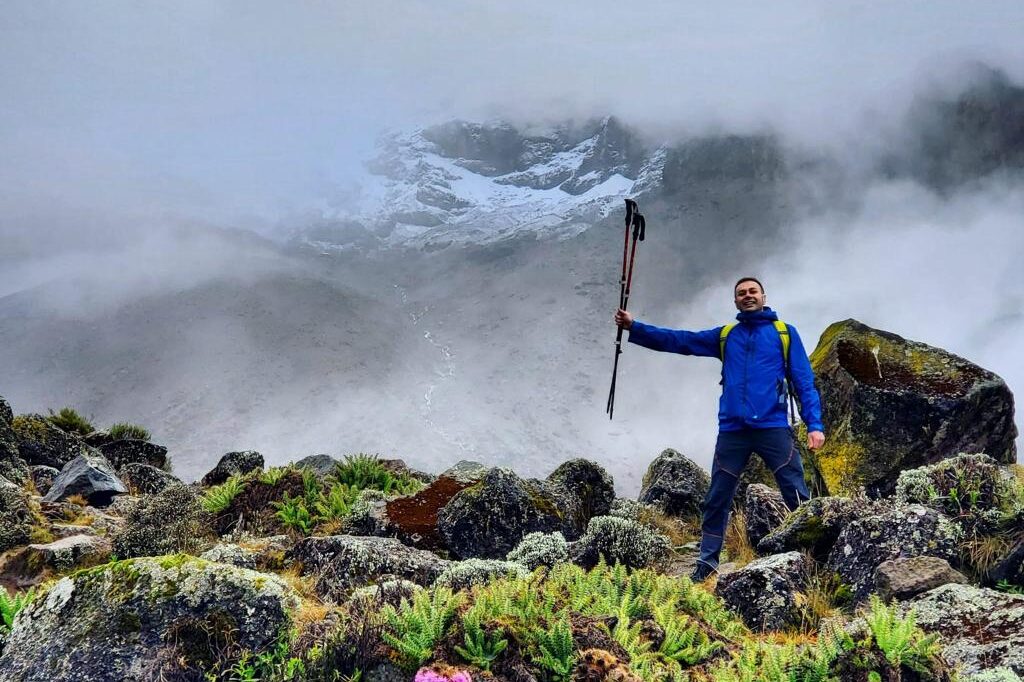
Although technical climbing skills aren’t mandatory, maintaining good physical fitness is vital for conquering Kilimanjaro. Regular cardiovascular and strength training are essential to cope with the trek’s demands, reducing fatigue and enhancing endurance. Physical preparedness ensures climbers can navigate the diverse terrain and altitude changes, optimizing their chances for a successful and enjoyable ascent of Africa’s highest peak

What should I pack for a successful Kilimanjaro Climb?

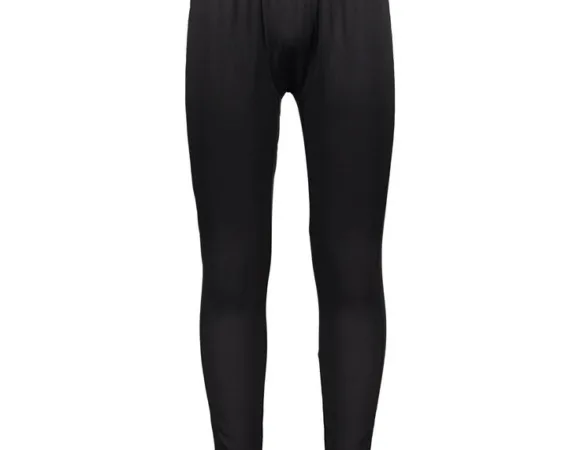
  • Moisture-wicking underwear and socks
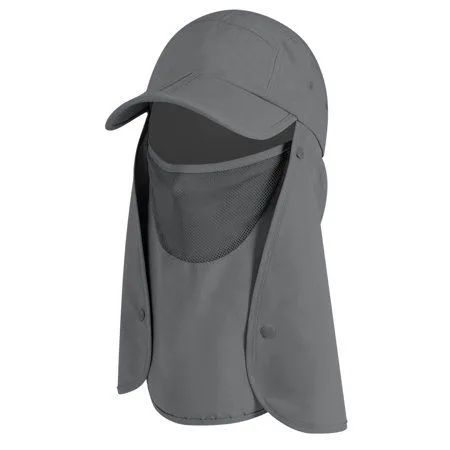
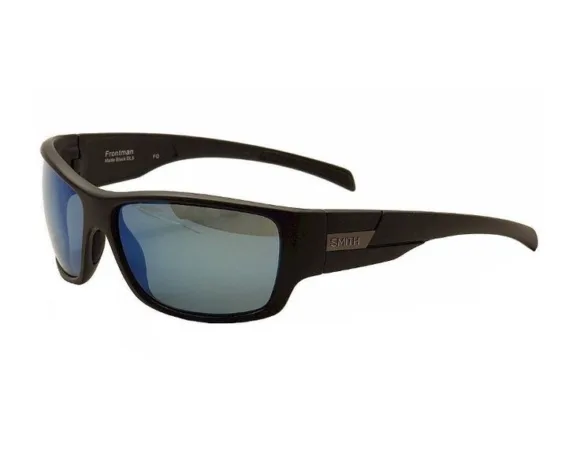
  • Sun hat and sunglasses
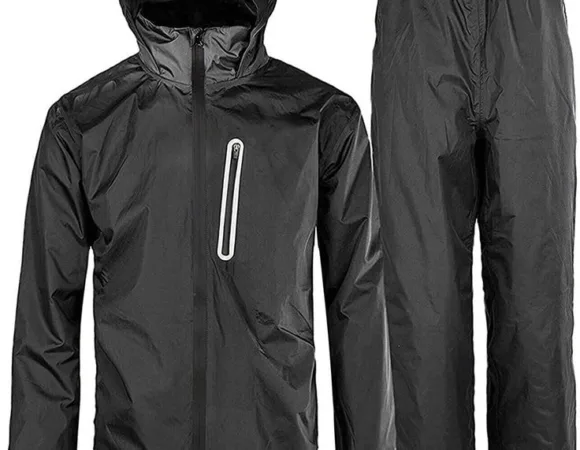
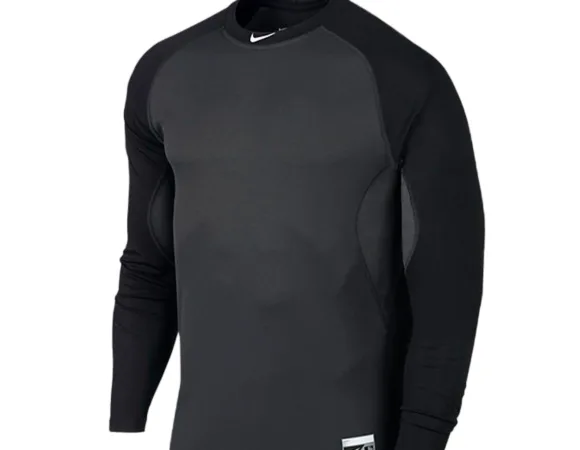
  • Waterproof and windproof jacket
  • Waterproof and breathable pants
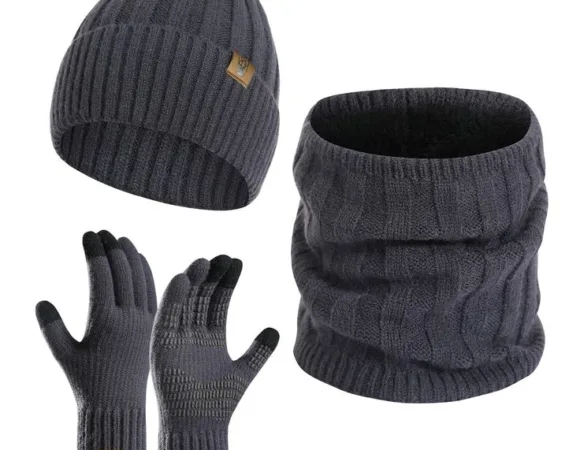
  • Warm hat and gloves
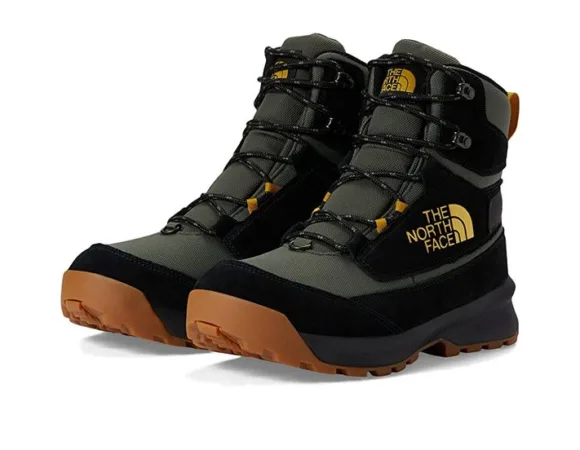
  • Sturdy, waterproof hiking boots with ankle support
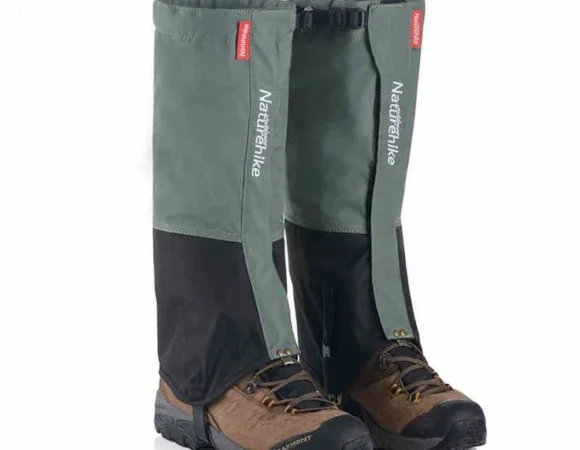
  • Gaiters to keep snow and debris out of your boots.
  • Moisture-wicking and insulated socks
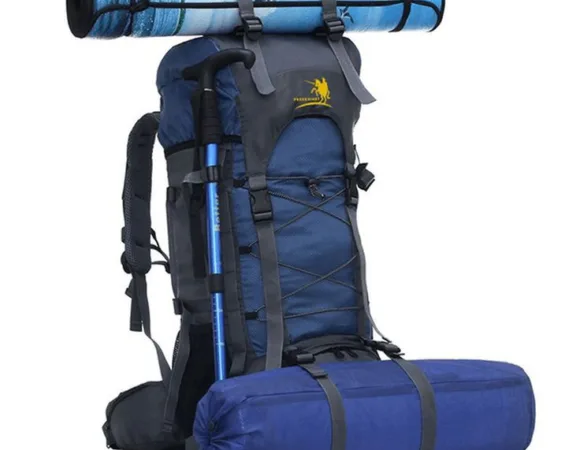
  • Backpack with rain cover
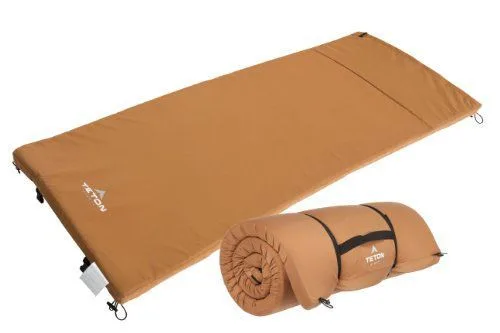
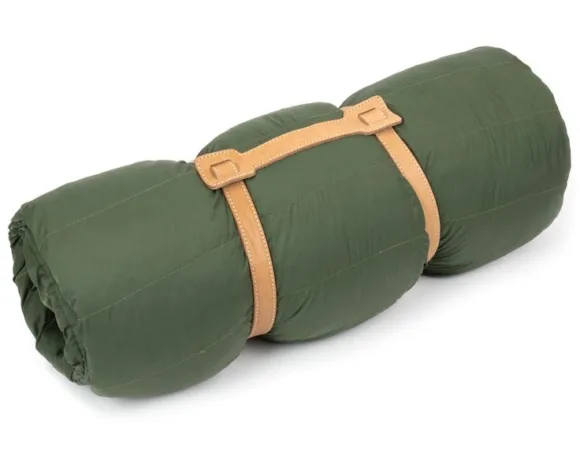
  • Sleeping pad for insulation
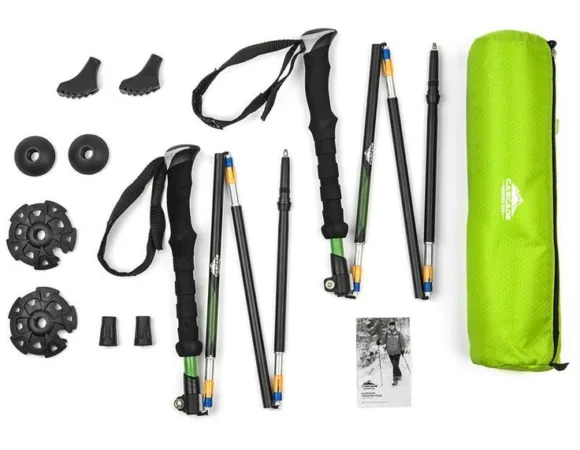
  • Trekking poles for stability
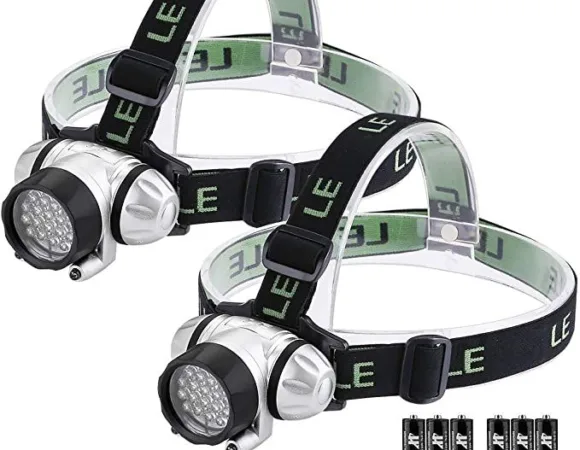
  • Headlamp with extra batteries
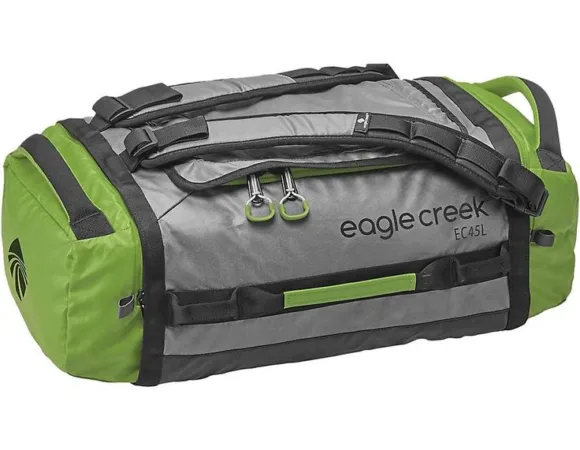
  • Duffel bag for porters to carry your gear.
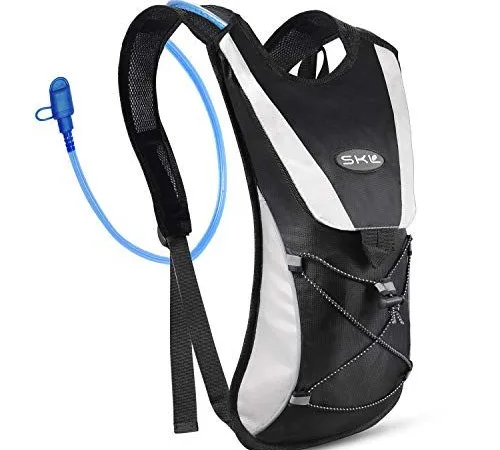
  • Water bottles or hydration system (consider insulated bottles)
  • Snacks and energy bars
  • Sunscreen with high SPF
  • Lip balm with UV protection
  • Personal toiletries and wet wipes
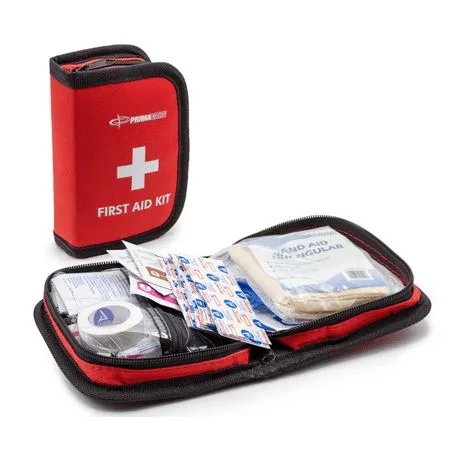
  • Prescription medications and basic first aid kit
  • High-altitude medication (if prescribed)
  • Diamox or similar medication for altitude sickness prevention
  • Snorkel or ski mask for protection against cold winds
  • Hand and foot warmers
  • Passport and necessary travel documents
  • Travel insurance with coverage for high-altitude trekking
  • Camera or smartphone for capturing memories.
  • Mp3 players/
  • Portable charger for electronic devices
  • Cash for tips, souvenirs, and additional expenses
  • Lightweight daypack for daily essentials during the trek
  • Plastic bags for waterproofing and separating items in your backpack

Testimonials

Kilimanjaro Join Group

Machame Route

The Machame trail, renowned as the second most popular route up Kilimanjaro, offers a captivating journey that begins amidst the enchanting allure of the lush tropical rainforest on the southern slope. This route, favored by many adventurers, presents an ideal choice for those seeking an immersive seven-day trek.
6 Days: Kilimanjaro Hiking via Umbwe Route

Lemosho Route

Embarking from the western side of Kilimanjaro, the Lemosho Route offers a unique starting point at a secluded trailhead, setting the stage for an extraordinary journey. Notable highlights along this trail include the renowned Shira Plateau, an expansive and breathtaking landscape, and the majestic Cathedral Peak,
7 Days: Kilimanjaro Hiking via Rongai Route

Rongai Route

The Rongai route stands distinguished as the solitary pathway on the northern face of Kilimanjaro, situated in close proximity to the Kenyan border. Leading adventurers through a scenic and serene pine tree forest, this less-traveled route offers a unique and picturesque journey